
Is loneliness profitable?
Plus: publishing snafus, FIFA, and sports betting & prediction markets — AND A SPECIAL OFFER FOR PROFESSORS

Seems the loneliness epidemic is not going away any time soon.
But who exactly is lonely? It may not be who you think. According to the Harvard Business Review, the loneliest demographic is ages 30 to 44 (29%), followed by 18 to 29 year olds (24%). The least lonely group: 65+.
It is probably not surprising, then, that companies saw lonely millennials and Gen Zers as a market opportunity.
Combatting loneliness means creating community. Marketers have some experience with this through brand communities which started online in the early 2000s (well before the loneliness epidemic was declared in 2023). Marketers found ways to use social media to tap into our fundamental desire to be part of a group—no matter what it is attached to. Think Jeep or Apple. What we’re seeing now is a progression of online brand communities, but we are also seeing something else: the commoditization of ways that people come together face-to-face.

One of the first times I remember seeing this was Peoplehood. This was a place where people came together to engage with others IRL, and it was founded by the folks behind Soul Cycle. This is why Peoplehood was marketed as “Soul Cycle without the bike.” From what I can tell, it was kind of like group therapy, but led by retrained former Soul Cycle instructors. (This piece from The Cut explains how confusing the concept was.) I say “was,” because Peoplehood surreptitiously pivoted to being a GLP-1 support group, and co-founder, Julie Rice, sold the company to Weight Watchers, where she is now Chief Experience Officer responsible for community and brand innovation. (Yes, I will be writing about this in my new book.)

Maybe Peoplehood came too soon, because today, bringing people together and getting them to pay for the experience is gaining momentum. I’m not talking about third spaces like Starbucks or co-working spaces like WeWork. I’m talking about paying to meet and engage with people. Things like:
Dinner clubs,
Friendship apps such as Timeleft and Bumble BFF, and
Game Nights
Game nights have become hot, Hot, HOT. Most game players are adults (85%), who have become adherents because the games are 1) an analog experience, 2) it is low pressure (unless you play with some of my family!), and 3) they are designed to build community. One of the fastest-growing games is none other than mahjong—a game I used to think of as being played by old ladies in retirement.
U.S. Mahjong events increased 179% on Eventbrite over the last few years, and tile sales are growing so fast that they are expected to reach $4.5 billion by 2033, up from $2.5 billion currently. Tapping into this phenomenon is Martell Cognac, which has produced limited-edition tile sets for the Lunar New Year (special packages for this holiday are common within the liquor category) and sponsored gaming events. I suspect others will follow suit.
But commercialized community will not fix the problem of loneliness, because this is not simply a post-COVID problem. Decades of neoliberalism and its concomitant drumbeat of individualism taught us we can do everything on our own. Add to that social media, which has chained us to our phones with our eyes looking down instead of at each other. Staying disconnected doesn’t work anymore (as if it ever did), and this is especially true in a time when we can no longer depend on our government.
Bringing people together in community is a good thing. My concern is that the marketplace filling this void becomes the default position, and connection is simply transactional.
Publishing Snafus
As an 8-time author with a doctorate (you’ll see why I specifically note this in a minute), it is infuriating to see publishers throw money at projects with obvious….let’s call them “snafus.”
Billionaire Amy Griffin is being sued because she (allegedly) stole someone else’s memories for her memoir.
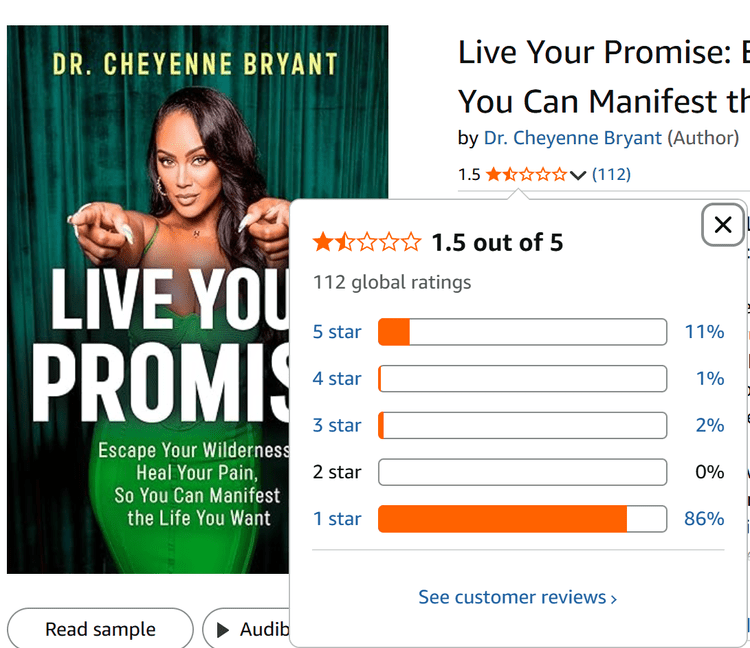
Cheyenne Bryant claimed to have a doctorate, but can’t produce her degree. She is being dragged in the ratings, and book sales are suffering in light of the controversy.
Followed by this: “Book on Truth in the Age of A.I. Contains Quotes Made Up by A.I.”
And finally, for now, we have Belle Burden’s book, which was a bit light on the facts about her financials. The work became a bestseller based on giving financial advice to women and leaning heavily on the idea that her divorce left her destitute. It did not, not even close. New Yorker magazine details the significant monies she has access to—money I doubt her readers ever will.
Look, I understand that margins are razor thin, and staffing has been cut to the bone at publishing houses. However, this much deception isn’t good for anyone—not the publishers, not the readers, and not the authors who have said, “no thanks” to AI.
FIFA
I’m not a huge soccer fan, and I don’t expect to watch much of the World Cup, but even I am becoming acutely aware of the lack of marketing surrounding this event. I’ve seen more marketing for the U.S. Open, which doesn’t start until the end of August, than I am for FIFA, which starts in a few short weeks.
Corporate sponsors, like VISA, Lay’s, and Michelob, have produced FIFA commercials, but other than a few Ultra spots, I have seen next to nothing. That wouldn’t be so strange except I live in New York City, which is where some of this event is supposed to take place (if you consider New Jersey part of NYC).
What I’m not loving
This month I’m going a little broader and not looking at a particular ad I don’t like, but a particular kind of marketing that’s got me miffed. I’m talking about the insinuation of gambling into increasing areas of our lives.
While I’m not a big soccer fan, I am a fan of baseball (the Yankees, don’t hate me) and I have been watching a lot of basketball because of the Knicks.
It is impossible to watch these sporting events without being accosted by advertising from FanDuel or DraftKings. Not just ads, but “bugs” announcing betting odds appearing on-screen in the middle of gameplay. I don’t want to know what the odds are on whether Aaron Judge hits a home run or how many points Jalen Brunson will score. That’s not the point of the game, and in the long run, betting on individual slices of the game is detrimental to sports because of issues with point fixing and eroding team loyalty. This is nothing to say about the detrimental impact on mental health for a growing swath of the population.
This isn’t just happening in sports, though. One of my students reminded me that Polymarket’s bets about who would win the 2024 presidential election were placed side-by-side on CNN next to traditional polling data as if they were equivalent. They are not, even if the people marketing them would suggest to you that they are.
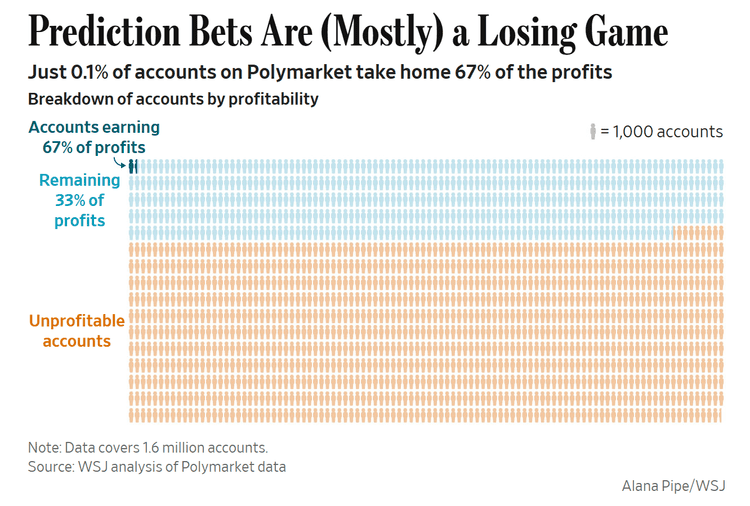
The Wall Street Journal has recently done several articles about prediction markets, which I highly recommend. As the graphic above from one of the articles shows, prediction markets are an MLM (just like cryptocurrency).
What I’m reading
The Beheading Game. I just finished reading this and loved it.
People keep telling me to read Yesteryear and I will. I’m saving it for a long plane ride to South Africa. While there, I’ll be giving two talks: one on the need to increase research on media and religion, and the other on the weight loss and wellness industry as analyzed through the lens of feminist political economy.
Hope you all have a happy beginning to your summer!
Special offer for professors
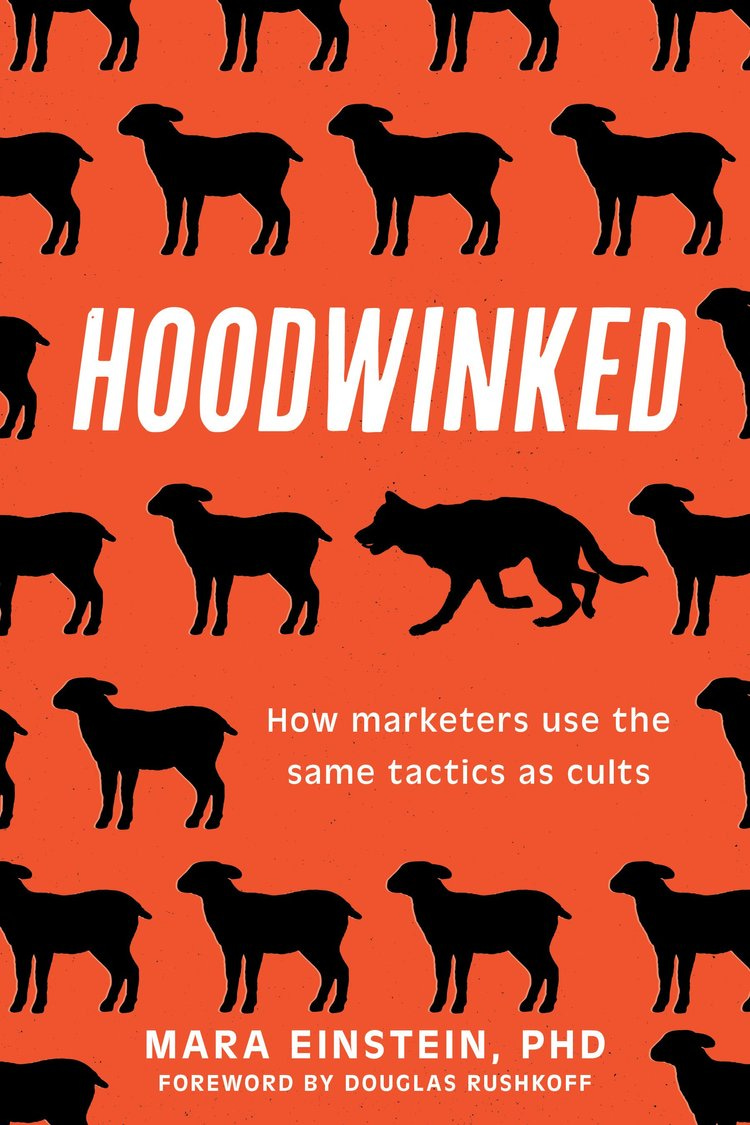
Are you looking for a new marketing book to add to your syllabus? Don’t forget about Hoodwinked! Send me an email, and I’ll get you a review copy. If you adopt the book for your class and the timing works, I’ll even get on a Zoom for class discussion (or in person if you’re in NYC).
What do you mean by “Decades of neoliberalism and its concomitant drumbeat of individualism …” ? Can you elaborate?